E.E.Cummings, 1 x 1 [One Times One], Liveright, 1994
E.E.Cummings, 1 x 1 [One Times One], Liveright, 1994
gg…..
ggg..
ggr……………
gggrrrrrr………….
like grief.
deep in thought with, about, a friend that recently left us. what are we doing when we grief? are we really with that person that left? feeling that vacuum their passing leaves behind, like a huge void. and it’s not that anything could fill that void;
a void like an immense precipice, an invisible black hole, if one looks at it in a negative sense. something that makes you freeze or pause when you get near it. re-question EVERYTHING in a minute. it appears all of a sudden out of nowhere, when you least expect it, or is lurking behind the door, the fear, the next thought. or it could also be an enormous heap under the carpet, that appears just at the moment as you walk over it and makes you stumble in surprise, if one looks at it in a positive sense (in terms of elevation). ejecting you into unknown land, into what looks like a barren, silent landscape with no one around. and maybe we just feel this way because we never think of endings, of how to retrieve, of loss and leaving, breaking up. these topics are blended out of our reality, and when they do happen, it is commonly perceived as a disaster, as a stone that hit out of nowhere.
is grief any more than expressing regret of all the potentials not lived, the acts not realised, the messages not sent, the conversations not had? are there similarities, like in various types of griefing, like griefing ‚cultures‘.. i have to think of petri dishes all of a sudden: which one do you belong to? the intense-long term, the fast-and-furious, the lacto-resisto…
so mainly thinking about ourselves. and our chioces. and what we missed/did not live/scoop or see.
and what will no longer be so. ever. only in thoughts, dreams, visions.
which leads me to the question of how do i want to leave this world? what, or rather how do i want to leave this what behind? have i made sure there is a what to leave behind? and does it matter?
it feels hard to think it could not matter; that’s an open door to exploitation, profit, hierarchy, competition etc. then this void looks like a garbage dump.
could we leave lively, inviting worlds behind? like bee-hives, or green hills with a myriad of colored flowers on them?
is it because of our lack of conversing with endings that we leave sad worlds behind?
if we lived fully, could there be sadness? or is the sadness of what is left not connected to the abundance of the life lived…?

take a moment when you can be quiet and alone. sit, stand, or lie down in a comfortable place. check in with what you are aware of in this moment. it might be “out there,” like light coming in a window, or rain drops tinkling, or a barking dog. or, it might be your conceptual mind running through a string of thoughts, plans, or worries. It does not really matter. you can start from either of these places and attempt to enter into the subjective emotional present of interoceptive self-awareness. suppose you focus on what is “out there,” outside of your body, like the light coming in the window. gradually begin to notice how the light affects you. this could be in the form of a passing emotion, like happiness or sadness, or a little memory that flashes and disappears. it could also be a feeling of warmth, or a desire to move toward it, or to stretch out and take a nap. notice how these feelings and sensations come and go, appear and disappear. if the light doesn’t bring you into your embodied self awareness—if you keep thinking about things—you have a couple of choices. focus on something else out there that may serve you better as a route into your felt body sense. move to a different location where you can find something you know, from experience, will calm your mind a bit and “bring you back.” just move, walk, dance, wiggle, or do something that makes you feel your body. or, work with the thoughts. if the latter, try to latch onto a single thought by slowing down the flood of ideas. suppose the thought you choose to explore is: “I forgot to call my sister.” repeat that thought to yourself several times but now observe your sensations and emotions.

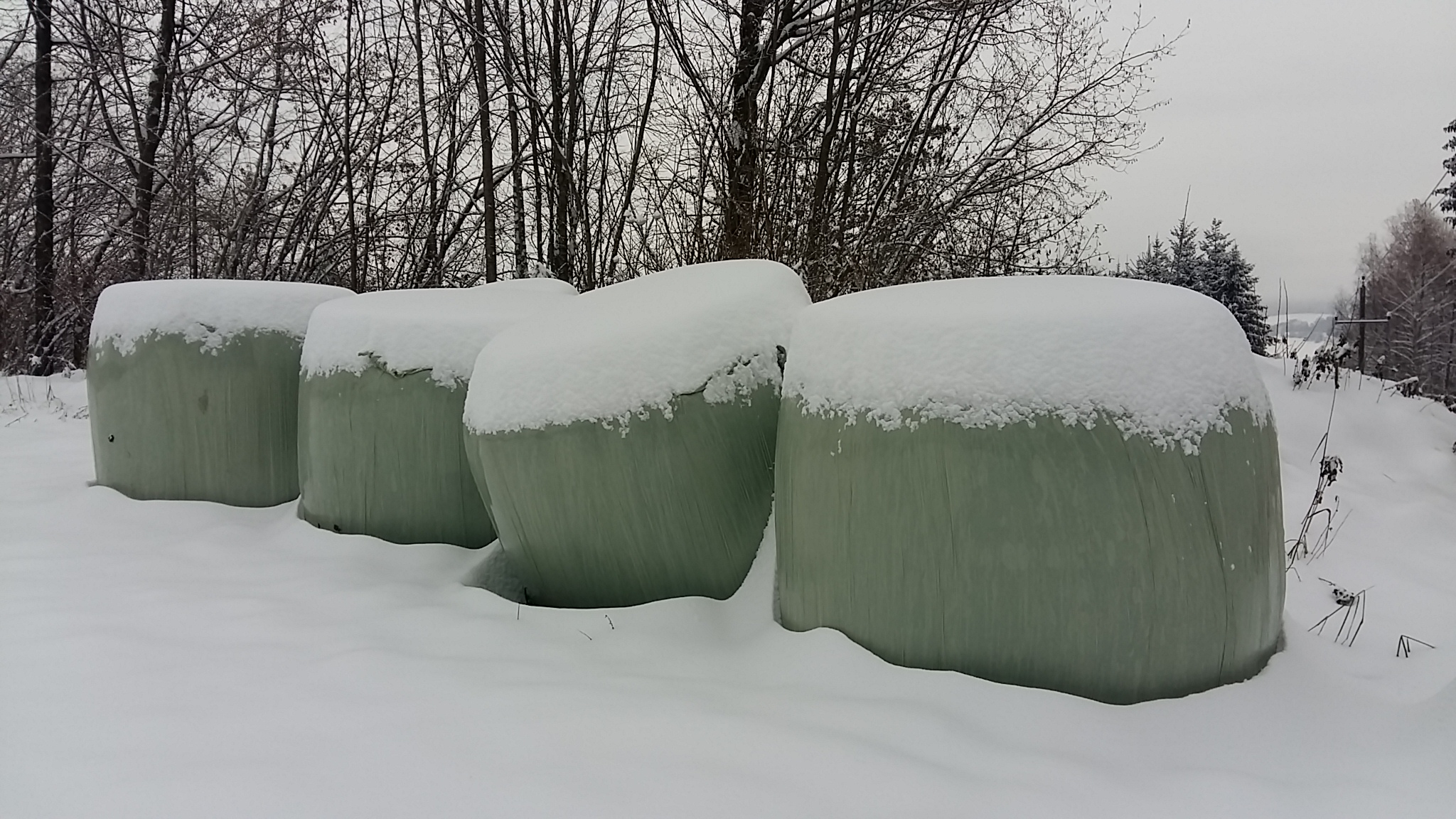
En plein hiver, entourée d’un doux paysage enneigé qui transmet le monde à travers une sourdine,
prèsque inaudible, je retrouve cette merveille. Lu par l’auteur c’est encore mieux…
Allongé sur le vide
bien à plat sur la mort
idées tendues
la mort étendue au-dessus de la tête
la vie tenue de deux mains
Élever ensemble les idées
sans atteindre la verticale
et amener en même temps la vie
devant le vide bien tendu
Marquer un certain temps d’arrêt
et ramener idées et mort à leur position de départ
Ne pas détacher le vide du sol
garder idées et mort tendues
Angoisses écartées
la vie au-dessus de la tête
Fléchir le vide en avant
en faisant une torsion à gauche
pour amener les frissons vers la mort
Revenir à la position de départ
Conserver les angoisses tendues
et rapprocher le plus possible
la vie de la mort
Idées écartées
frissons légèrement en dehors
la vie derrière les idées
Élever les angoisses tendues
au-dessus de la tête
Marquer un léger temps d’arrêt
et ramener la vie à son point de départ
Ne pas baisser les frissons
et conserver le vide très en arrière
Mort écartée
vide dedans
vie derrière les angoisses
Fléchir la mort vers la gauche
la redresser
et sans arrêt la fléchir vers la droite
Éviter de tourner les frissons
conserver les idées tendues
et la mort dehors
Couchée à plat sur la mort
la vie entre les idées
Détacher l’angoisse du sol en baissant la mort
en tirant les idées en arrière
pour soulever les frissons
Marquer un arrêt court
et revenir à la position de départ
Ne pas détacher la vie de l’angoisse
Garder le vide tendu
Debout
les angoisses jointes
vide tombant en souplesse
de chaque côté de la mort
Sautiller en légèreté sur les frissons
à la façon d’une balle qui rebondit
Laisser les angoisses souples
Ne pas se raidir
toutes les idées décontractées
Vide et mort penchés en avant
angoisses ramenées légèrement fléchis
devant les idées
Respirer profondement dans la vide
en rejetant vide et mort en arrière
En même temps
ouvrir la mort de chaque côté des idées
vie et angoisses en avant
aspirer par le vide
Expirer en inspirant
Inspirer en expirant
Ghérasim Luca